The Ball-Watching Trap: Follow the Space Around Play
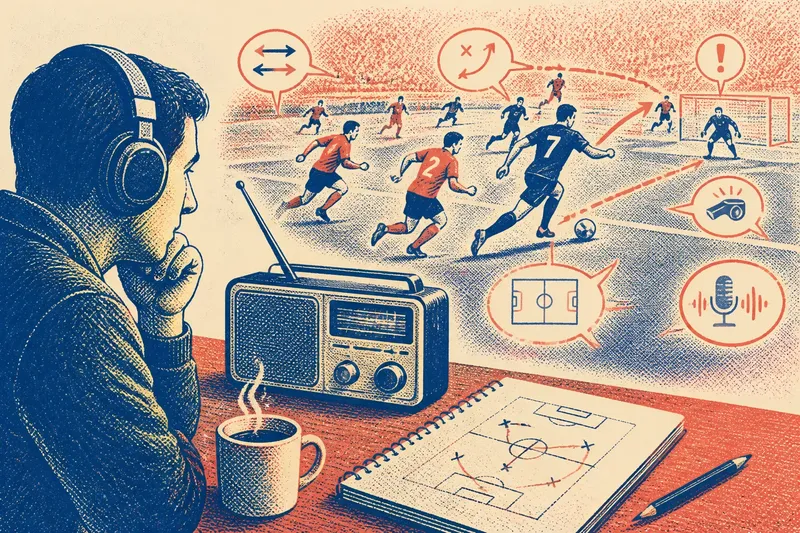
Read space around the ball to spot passing lanes, pressure, and off-ball movement before the next play develops, even when the broadcast follows possession.
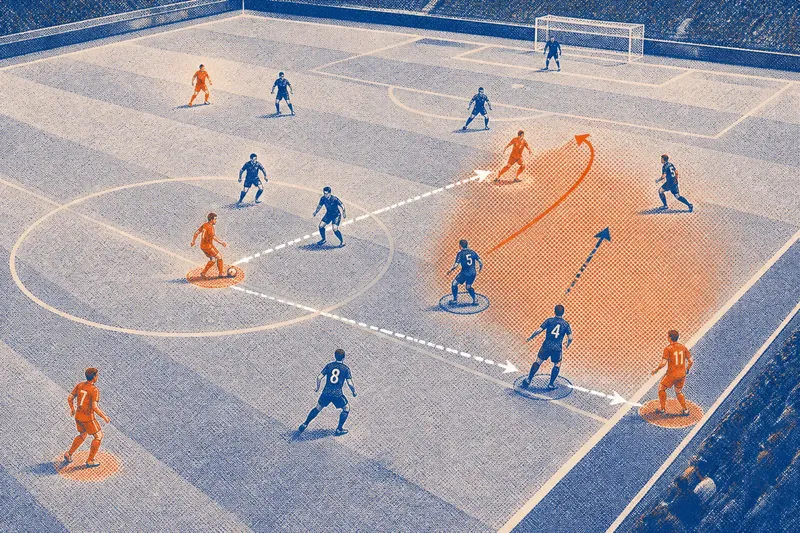
A midfielder receives the ball near the center circle, and the camera follows it. A forward darts behind the defense, a defender turns to track the run, and a lane opens for a pass that never comes. Reading space around the ball helps explain what changed, even when the broadcast stays with the carrier.
This is not a request to ignore the ball. It is a brief shift of attention, then a return to the play. The ball shows the current action; the surrounding space shows which options may be opening or closing.
What does space around the ball tell you?
Space is not simply an empty patch of grass or court. It is an area a player could reach, defend, pass through, or close down before an opponent gets there. Its usefulness depends on where players are and how quickly they can respond.
In soccer, a gap between a fullback and a center back may invite a forward’s run. In basketball, a defender stepping toward the ball can leave a teammate open near the basket or beyond the arc. The viewing question is similar: who might use the newly available area, and who is positioned to prevent it?
Begin with the players nearest the ball. Notice how many opponents are closing in, whether the carrier can turn, and which teammates offer an angle for a pass. Then look farther out, not to catalogue every movement but to see which passing routes or defensive assignments are changing.
How do you shift your attention without losing the play?
Use short glances rather than trying to monitor every player at once. When the carrier has control, look briefly at a nearby passing route and the defender positioned to block it. Return to the ball as a pass or challenge becomes likely.
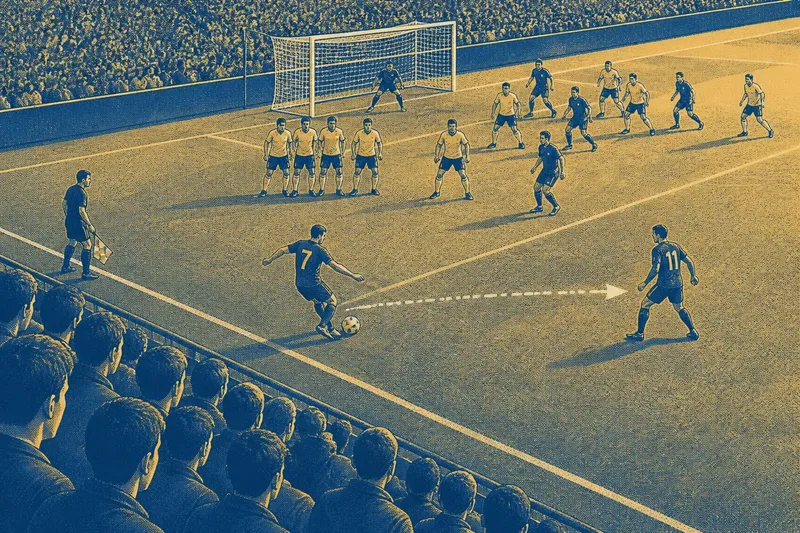
The broadcast affects what you can see. A wide soccer camera may show much of a defensive line, while a tight shot can hide players outside the frame. In basketball, the camera may crop out a weak-side player. Treat what you cannot see as unknown rather than assuming a route is open.
A simple rhythm helps: locate the ball, identify one available route, then check whether it stays available. This keeps attention on the choices the current possession presents rather than turning the match into a search for hidden patterns.
Which movements alter a passing route?
Watch how defenders position themselves relative to the carrier and potential receivers. A defender stepping toward the ball may leave a route behind them; another defender can close that route, or an attacker may move into it. The useful question is whether a specific pass becomes easier or harder to attempt.
Movement toward the ball can offer a short outlet, but it can also bring a defender into the same area. In soccer, a forward checking back may give the midfielder a nearby option while drawing a marker away from another lane. In basketball, a teammate cutting toward the ball may create a passing angle but also bring help defense closer.
Position matters even when a player does not move. A wide player holding the touchline can keep a defender occupied and leave room inside. A forward staying high can limit how far a defensive line steps forward. These effects are visible in the space opponents leave or protect, without guessing at anyone’s private intention.
How does pressure narrow the choices?
Pressure is more than a defender running at the ball. The angle of approach can steer the carrier toward a sideline, away from a passing lane, or onto a less convenient option. Notice which route the defender blocks and which one remains available.
Teammates of the defender may close nearby routes. In soccer, one opponent can pressure the carrier while another screens a forward pass. In basketball, a defender can deny a passing angle while teammates protect the lane. The carrier may then have to release the ball quickly, turn away, or accept a more difficult option.
The attacking team’s response can change the picture. A pass away from pressure may reach an open teammate, while a nearby support player may provide a safer outlet. If several teammates crowd toward the carrier, they can leave fewer useful routes despite being close enough to offer help.
How can you read subtle changes in a passing route?
How can I tell whether a defender has closed a route?
Check whether the defender stands between the carrier and a potential receiver, or has moved close enough to challenge a pass. If the receiver is still visible but the direct lane is blocked, the carrier may need another angle or a different option.
What does a player checking back offer?
A player moving toward the ball can become a short passing option. See whether a defender follows and whether another route opens behind that defender before deciding what the movement changed.
What if the camera hides a possible receiver?
Use the visible players’ orientation and movement as clues, but leave the unseen route unresolved. A wider shot or replay may clarify it; until then, avoid treating an off-screen player as an available option.
Does this apply to soccer and basketball?
Yes, though the relevant routes differ. Soccer offers channels and space behind a defensive line, while basketball features the lane, perimeter, and passing angles around help defense.
How does the camera shape what you can judge?
A broadcast camera is a guide, not a complete map. A high, wide view often makes spacing easier to judge, while a tight shot focuses attention on the ball and nearby action. A replay may show the pass but leave out the movement that made its route available.
When the camera follows the ball closely, use the edge of the frame cautiously. A defender turning their head may be tracking someone outside the shot, but that clue does not establish where the player is or whether a pass can reach them. Wait for a wider view before drawing a firm conclusion.
From the stands, you can scan a larger area, though distance may make individual movement harder to distinguish. Choose one route near the ball and one farther away, then compare them as possession develops.
What does reading one possession look like?
Say you are watching soccer and a midfielder controls the ball near the right side. A forward starts a diagonal run toward the gap between two defenders; one defender turns and follows, leaving a route behind them less protected. The winger then moves into that route, while the midfielder passes sideways instead. The observable result is not a completed attack but a newly available option, with the sideways pass keeping possession while the defense adjusts.
To try the same kind of reading during a match, pick one possession and make a specific observation: which route appears open, and which defender could close it? After the next pass or challenge, check whether the route stayed available. If the camera has hidden part of the play, record that as uncertainty rather than filling it in.
Reading space around the ball is most useful when it stays modest: identify a route, notice what could block it, and revise your view as the play changes. That habit makes a sideways pass or a delayed attack easier to understand without requiring you to watch every player at once.